When you’re learning how to play the piano, regular practice is key (pun intended). Having access to your own set of keys at home can make all the world of difference.
Don’t let the exorbitant price tag of a brand-new piano stop you from becoming the next Mozart. Second-hand pianos not only offer beginners a much more affordable entry point but can also come with a rich history – your fingers joining a long line of piano players who have touched those keys.
Thankfully, South Africa’s marketplaces are teeming with second-hand pianos, many coming from family homes, schools, and churches.
But what makes a good second-hand piano? This article guides you through the ultimate checklist for buying a second-hand piano, from knowing which questions to ask to all the nooks and crannies you should check.
Let’s take it from the top…
The ultimate checklist for buying a second-hand piano
Ask about the piano’s history
Before you even touch the keys, ask the seller a few basic questions. A piano’s age, storage conditions, and maintenance history can tell you a lot about its condition (and whether it’s worth investing in).
How old is it?
- A good quality piano that’s around 10–30 years old can still give decades of service.
- Avoid pianos older than about 60 years unless they’ve been professionally restored.
You can often tell the age from the serial number or the case style. Enter your serial number and brand here, or check out this index to find out what year the piano was made.
How often was it tuned?

- A piano should ideally be tuned once or twice a year.
- If it hasn’t been tuned for many years or wasn’t tuned regularly, it may struggle to hold tuning.
Where was it stored?
- Avoid pianos kept in garages, sheds, or very damp rooms.
- High humidity can damage strings, wood, and internal parts
- This is particularly a concern in coastal areas with high humidity, like Durban, Cape Town, and other areas along the east coast.
Has it had any problems?
Ask about:
- Keys not working
- Broken strings
- Pedal problems
- Sticking notes
- Humidity damage
- Previous repairs
Why is the seller getting rid of it?
The owner may be emigrating, downsizing or moving into a retirement home, and simply doesn’t have space for it anymore. Or, asking this question may reveal hidden issues. Either way, it’s good to know.
Give it a play
Never buy a piano without first trying it yourself.
Is it in tune?
Expert tip: Ask the seller if you can bring a tuner with you.
- Is the piano in tune overall?
- Does it sound evenly in tune across the keyboard?
- Avoid pianos where only some sections are out of tune.
- It is okay if the whole piano is out of tune, but you don’t want to hear any weird vibrations.
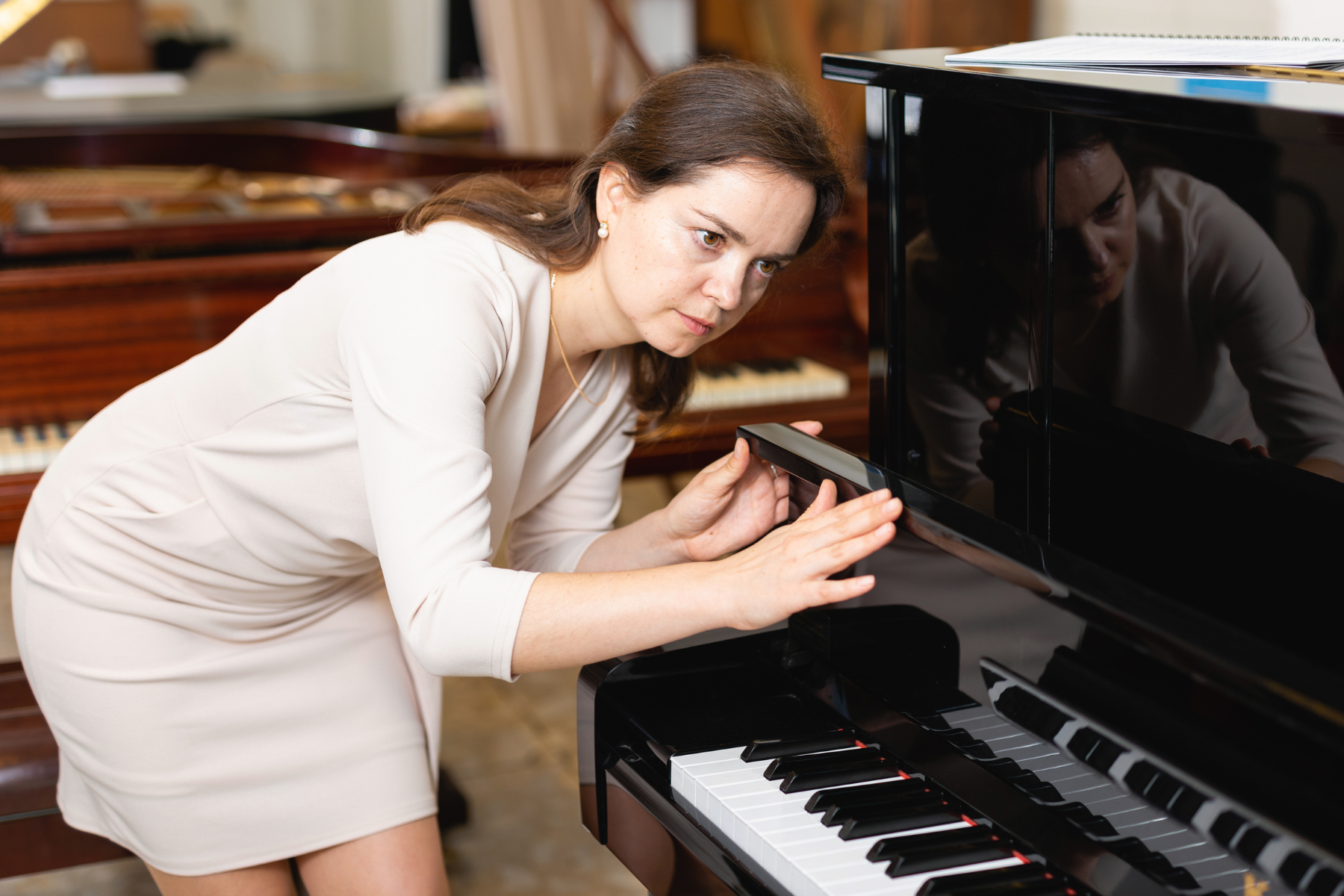
How do the keys look?
Look carefully at the keyboard:
- Are the keys level and evenly spaced?
- Are the white keys chipped, cracked, or missing?
- Are they very dirty or badly discoloured?
- Are the black keys damaged?
- Do all the keys go down smoothly?
- Do all the keys come back up quickly?
How do the keys sound?

- Do all the keys produce sound every time?
- Play the same key quickly several times:
- It should repeat properly.
- None should buzz or rattle.
- None should keep ringing after you release them.
- Do the bass notes sound much quieter than the rest?
- This may indicate a detached bass bridge.
Is there a problem with the dampers and action?
The dampers stop the strings when you release the key
- Play a note and release the key.
- The sound should stop cleanly
- If notes keep ringing, the dampers may be worn or broken.
- If many notes ring at once, there may be a mechanical problem.
Check the action:
- Play fast notes.
- Play soft notes.
- Play loud notes.
- The piano should respond evenly.
Check the hammers inside if possible:
- The hammer tips should be rounded.
- Flat hammers mean heavy wear.
- Broken hammer parts may need repair
Dead notes are not always a deal-breaker, unless there are a lot of them. But many small or minor faults will add up quickly. The cost of the repairs should be added to the price.
Do the pedals work?
Check that both the sustain and soft pedals work. Press each pedal several times:
- They should move smoothly.
- They should not wobble sideways.
- They should not squeak loudly.
- Very old wooden pedals with brass caps are often a sign that it’s a very old piano that is not worth investing in.
Assess the internal structure
If the seller allows, look inside the piano.
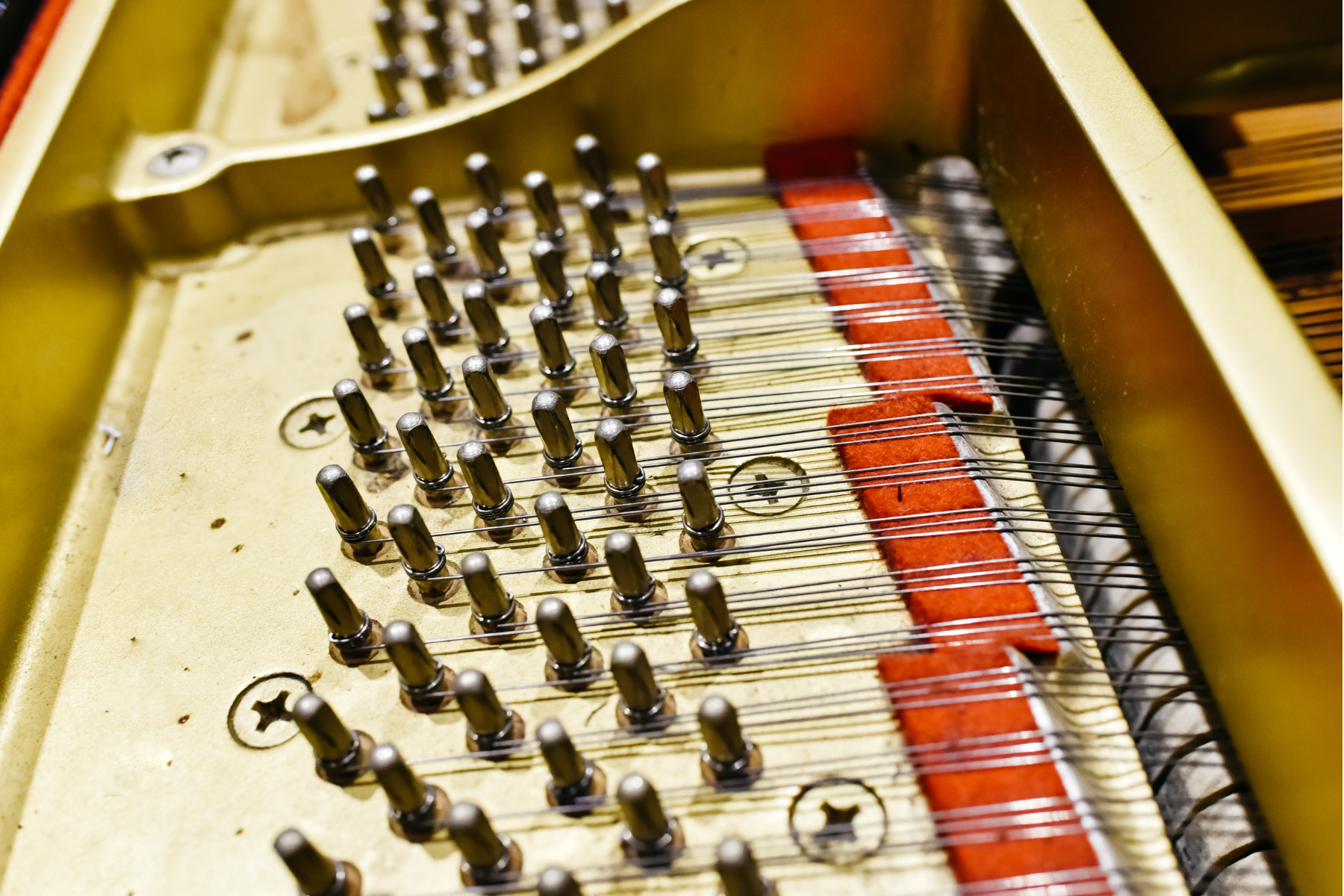
How are the strings?

- Strings should not be rusty – heavy rust usually means poor storage conditions.
- Check for strings that look like they are different colours – this indicates they may have been replaced.
- Check for missing strings.
Though missing strings can be replaced, they’ll rarely sound the same as the other strings, and it will cost 3–6 tunings to stabilise them.
Does it have an overdamper?
Look to see if there is an overdamper (birdcage), as this is the sign of a very old upright and is something you should avoid.
They usually have low value, are harder to repair, and were even considered budget pianos when they were new. So take this as a red flag.
You can tell if there’s an overdamper if a damper rail blocks your view of the hammers.
How are the tuning pins?

- The tuning pins must be tight – loose pins mean the piano cannot hold tune.
- Look for cracks in the wood around the pins – large cracks in the wrest plank are a bad sign.
Look for signs of damage on the case
Check the outside and inside carefully for:
- Cracks in the wood (more common further inland)
- Water damage
- Stains or swelling
- Mould or mildew
- Smells of tobacco or dampness
- Rusty strings (more common along the coast)
- Mismatched pins or strings
Check for woodworm
- Tiny holes in the wood
- Powdery dust near holes
- Damage under the keys
Check for other pests
- Mouse droppings
- Insect damage
- Moth damage.
Look specifically for things that will have expensive repairs

- Cracks in the frame
- Cracks in the bridges
- Rusty strings
- Flat hammers
- Mismatched pins or strings
Consider the deal
Who is the seller?
Buying from a professional piano dealer usually comes with:
- Warranty
- Servicing
- Wide selection
- Advice
- Legal protection
Private sellers may often be cheaper, but they also come with more risks and complications.
What is the price?
Very cheap or free pianos may sound like a bargain, but they may actually end up needing expensive repairs.
Plus, there are a lot more costs to factor in than just the price. Remember to budget for:
- Tuning
- Moving
- Repairs
- Regulation
- Cleaning
What is the brand?
 While you can’t always rely on the big fancy brand names to promise a solid second-hand piano, there are some popular, high-quality brands that you can trust more and are likely to last longer:
- Yamaha
- Kawai
- Steinway & Sons
- Bösendorfer
- Wm. Knabe & Co.
- Bechstein
- Baldwin
Yamaha and Kawai are very common in South Africa, and you’ll mostly find older British uprights in homes. Learn more about the different types of pianos here.
Do you actually like it?
Sure, you can spend time checking to make sure it works, and everything is in order – but do you actually like how the piano looks, sounds, and feels?
Though this isn’t a question many people ask while piano-hunting because they just take the first option that comes with them, it’s an important question to ask.
- Do you like the sound?
- Do you like the feel of the keys
- Does it suit your skill level
- Does it fit your space?
- Do you enjoy playing it?
If it doesn’t bring you joy, keep looking.
Can you move it safely?

Pianos are very heavy. So if you’re looking to bring a piano home, you actually have to consider how you will actually bring it home. While professional dealers may offer their own delivery service, this isn’t always the case – particularly with private sellers who expect you to collect it.
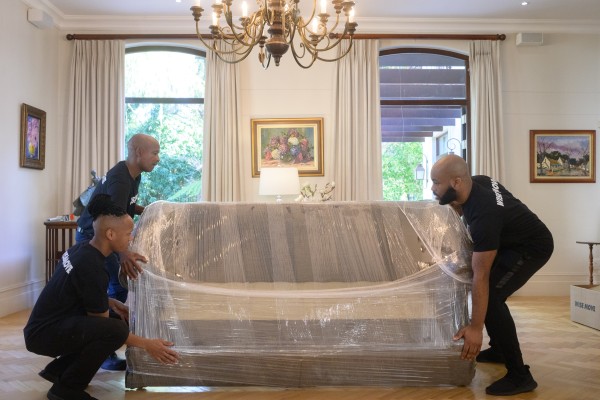
You can either choose a small, mobile second-hand piano that’s easy to move. Or you can hire professional piano movers. When it comes to second-hand pianos, you’ll probably want to opt for the latter, as they may be a bit more fragile or harder to repair if things get damaged in the move.
You’ll also have the added protection of moving insurance, which will protect you from any damage while in transit.
If you need some guidance, read our full guide on how to move a piano safely (and when to call professionals).
Checklist for a second-hand digital piano

- Play every key and listen for distortion.
- Check volume across the keyboard.
- Test soft and loud playing.
- Test the pedal.
- Test all the speakers as well as any headphones you’ll use for silent practising.
- Check all the buttons and controls.
- Avoid digital pianos with uneven sound or broken keys.
Should you bring a piano technician with you?
If you are going to view a second-hand piano from a private seller, it may be worth bringing a professional piano tuner or technician with you. While this checklist gives you everything you need to know, you may feel more comfortable having a professional by your side to spot anything your amateur eye may miss.
That said, bringing a technician isn’t always necessary, especially if the piano is inexpensive, you’re just starting out, or you’re confident using a checklist like this one. Many buyers prefer to do an initial inspection themselves and only call a professional if the piano seems promising.
If you’re unsure, a good compromise is to view the piano yourself first, then arrange for a technician to check it before you commit to buying, flagging any concerns you spotted but aren’t sure about. A small inspection fee can save you a lot of money in the long run.
Make the wise move for your second-hand piano
 Once you’ve found the perfect new (old) piano that checks all your boxes, all you have to do is get it home. Wise Move makes that fast, affordable and effortless.
With just a few clicks, you can book a local piano mover that suits both your needs and your budget. And before you know it, you’ll have a stunning second-hand piano set up in your space, bringing with it a rich history and a world of musical possibilities!




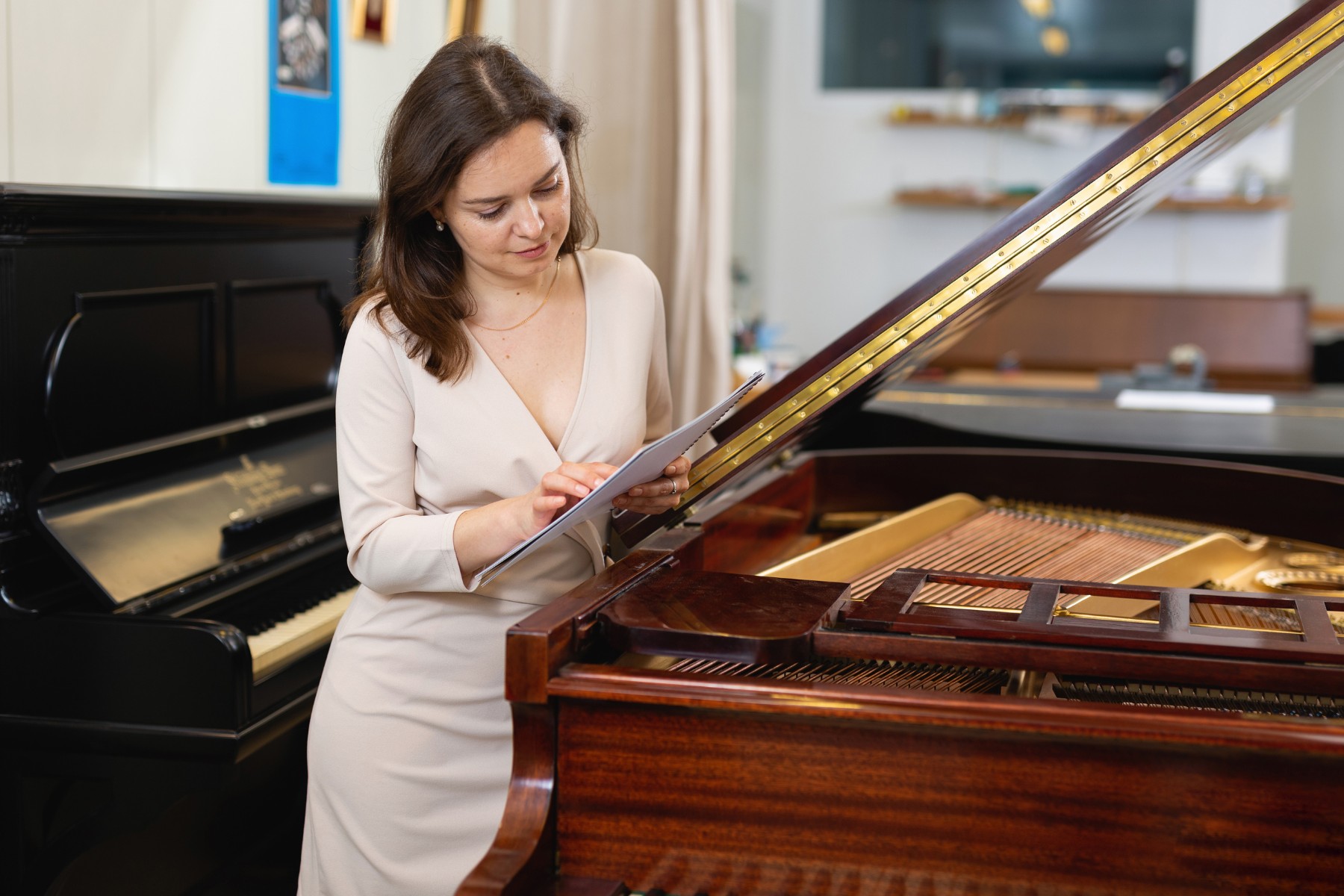



 While you can’t always rely on the big fancy brand names to promise a solid second-hand piano, there are some popular, high-quality brands that you can trust more and are likely to last longer: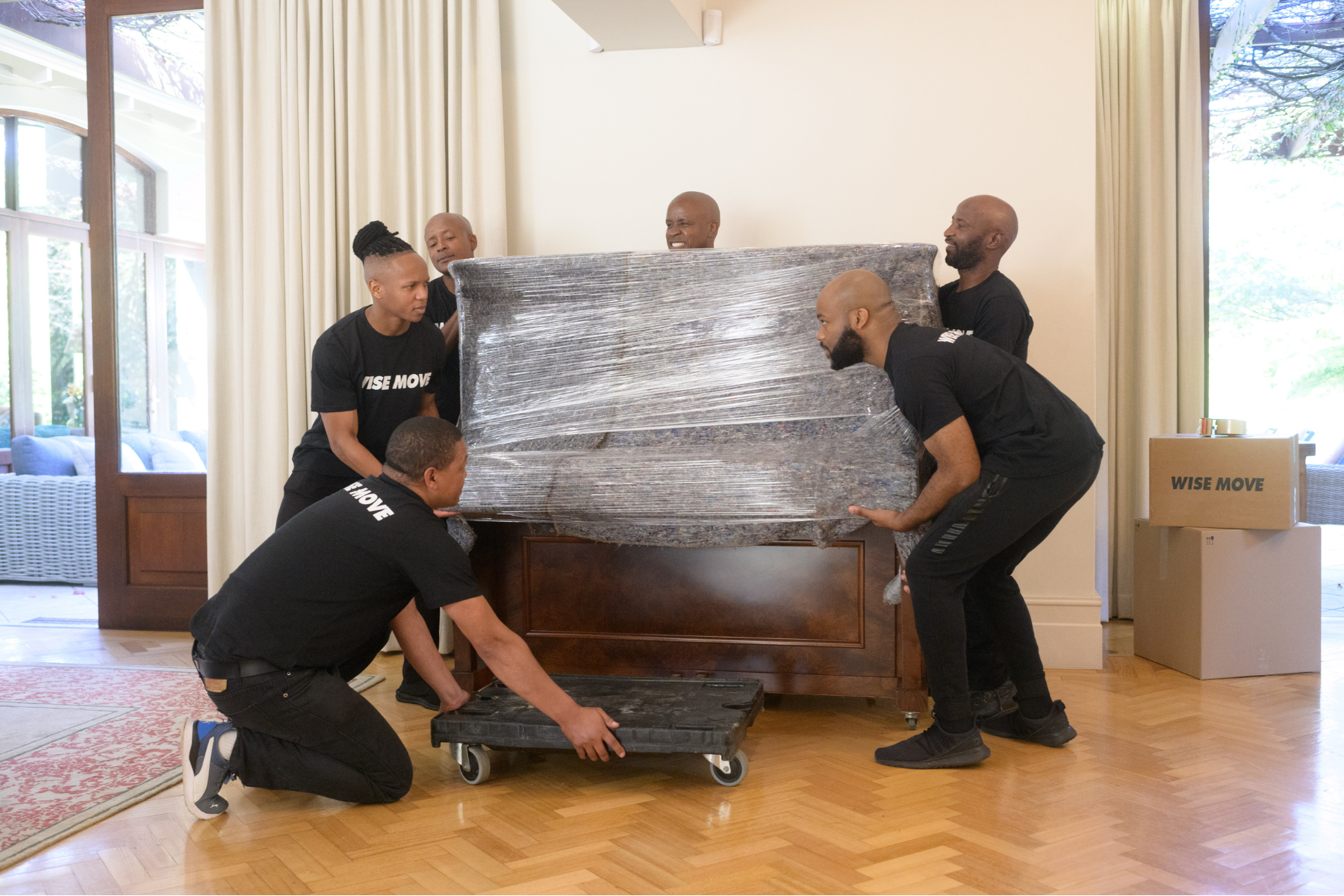

 Once you’ve found the perfect new (old) piano that checks all your boxes, all you have to do is get it home.










![How Many Moving Boxes Do You Need [Quick Guide]](https://cdn.wisemove.co.za/image/blog/f402bbe3e47e09aa41a6d8370888b926.jpeg "How Many Moving Boxes Do You Need [Quick Guide]")