Moving a car sounds simple — just drive it. But what if you want someone else to get it from A to B? Is the only option to have someone drive your vehicle the whole way, adding kilometres and wear and tear?
Luckily, no. In South Africa, there are a few common ways to move a vehicle between cities — and some options keep your mileage exactly where it is.
Car transport options in South Africa
You have several options at your disposal, each with its own benefits and drawbacks.
1) Drive it yourself
This is the most straightforward option, but it’s not always the easiest.
Best when: it’s a family trip, you’re already travelling that way, or you have time.
Main drawback: it takes time — and long-distance driving can be tiring and expensive once you factor in fuel, tolls, food, and possibly accommodation.
2) Use a professional driver
A driver takes your car to the destination while you fly or travel separately.
Benefit: you don’t have to do the drive yourself.
Drawbacks: your car still gets the miles, and long-distance trips come with the normal road risks. It can also be pricey because you may need to cover the driver’s transport back (and sometimes overnight costs too).
3) Use a car transporter (trailer transport)

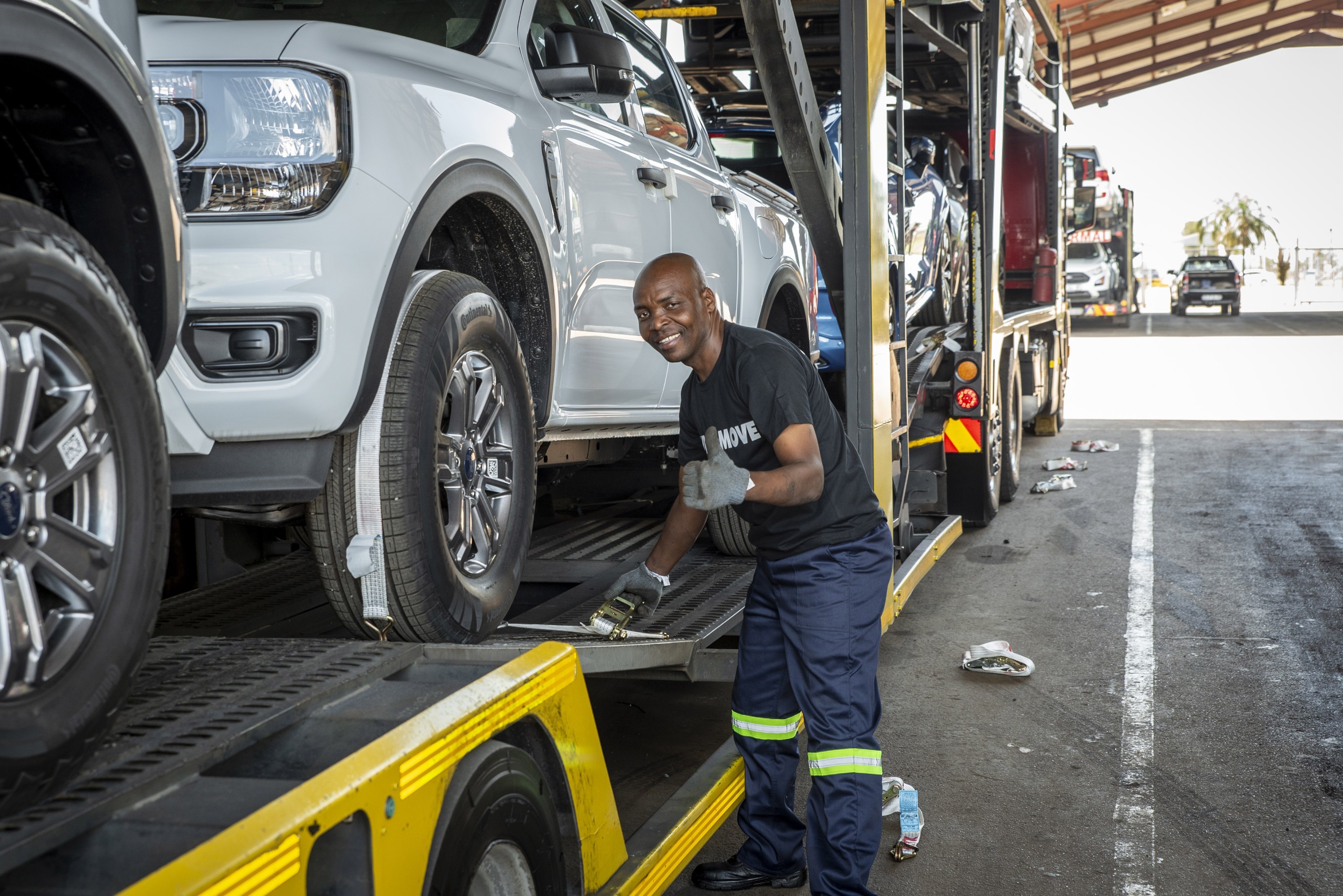
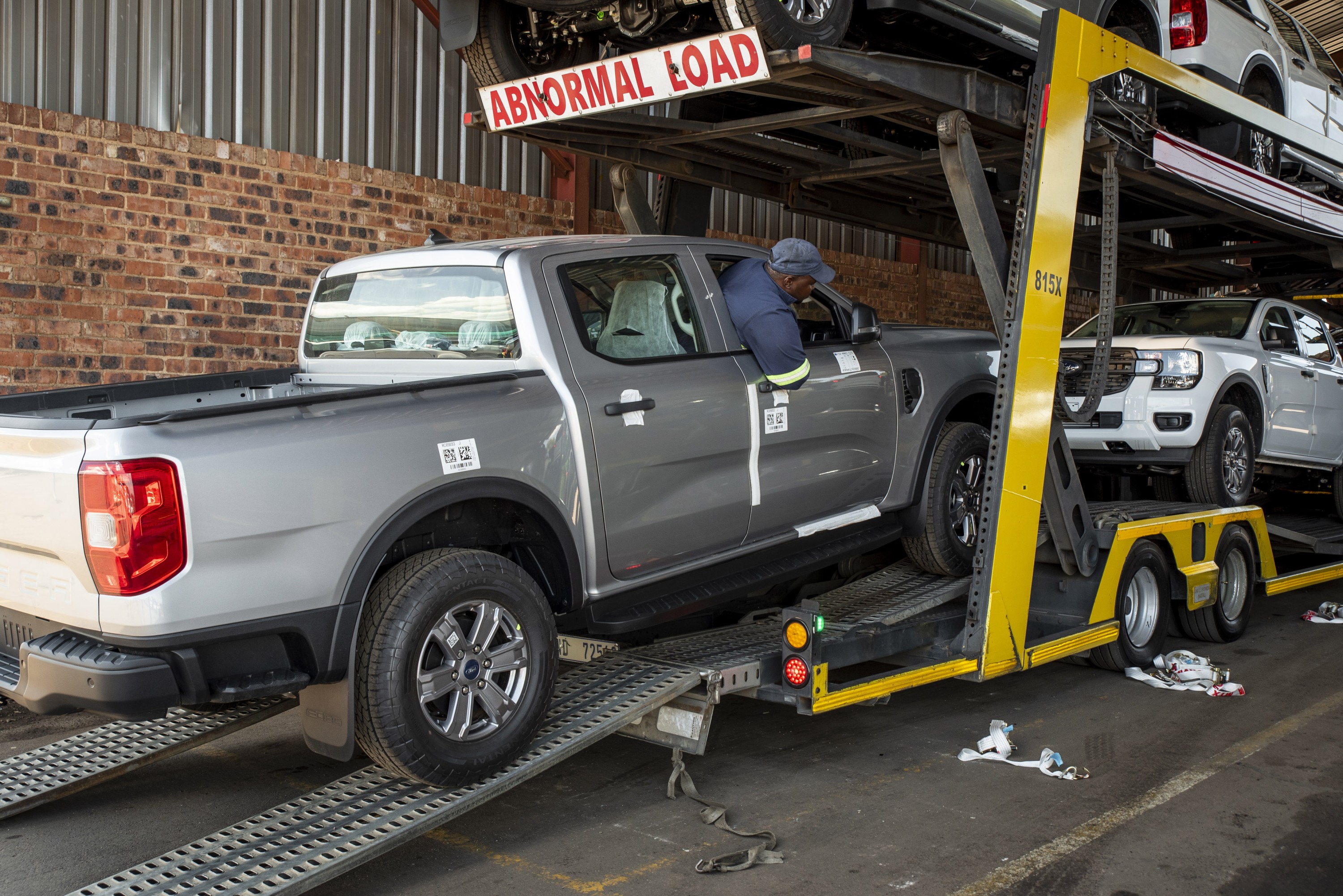
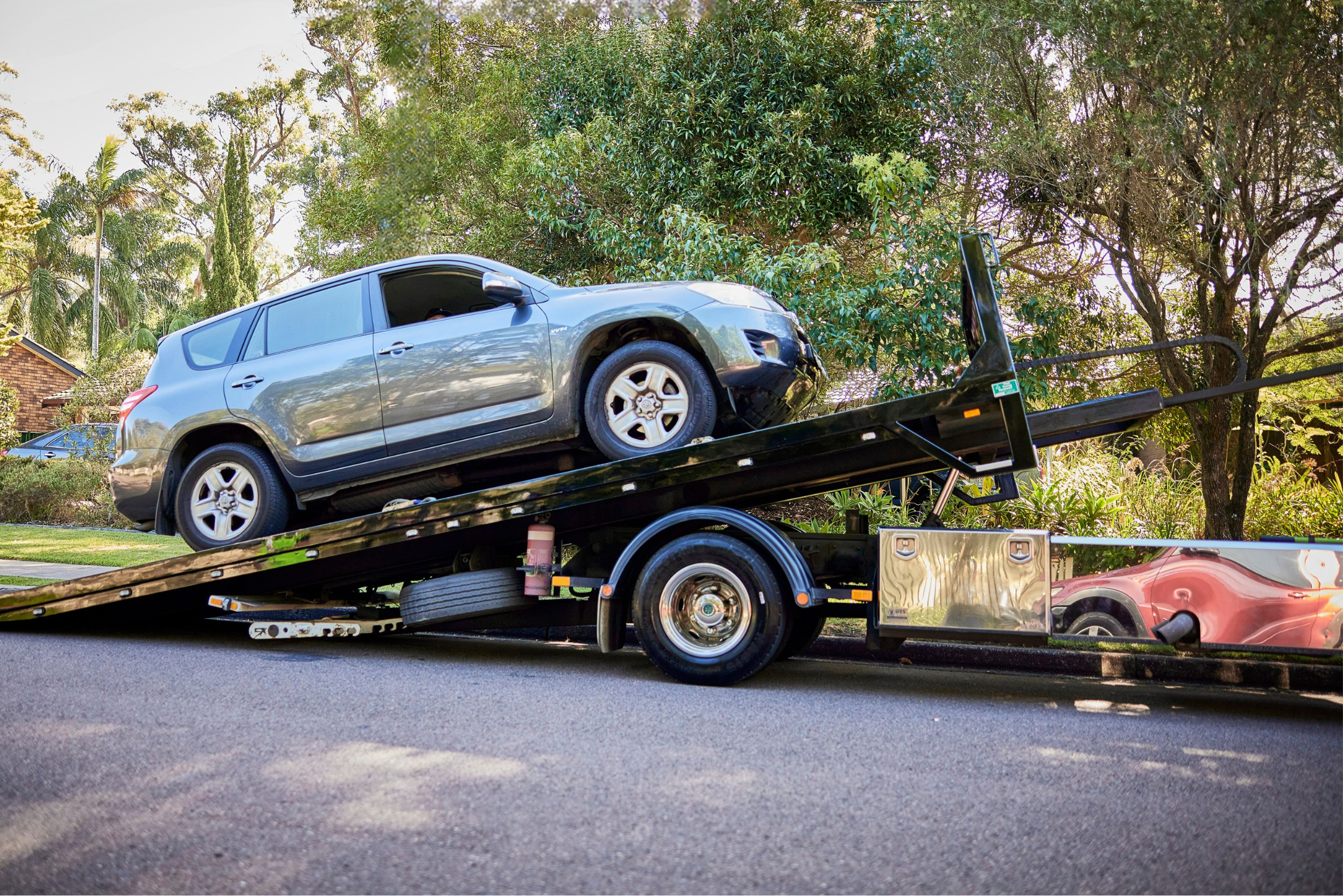
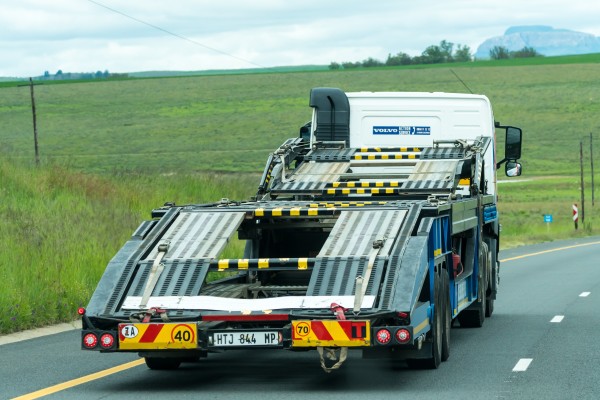
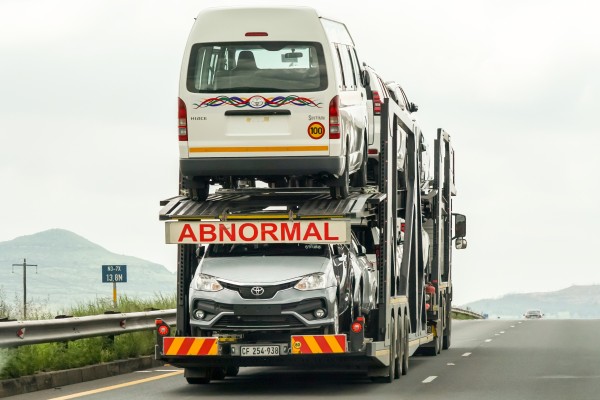
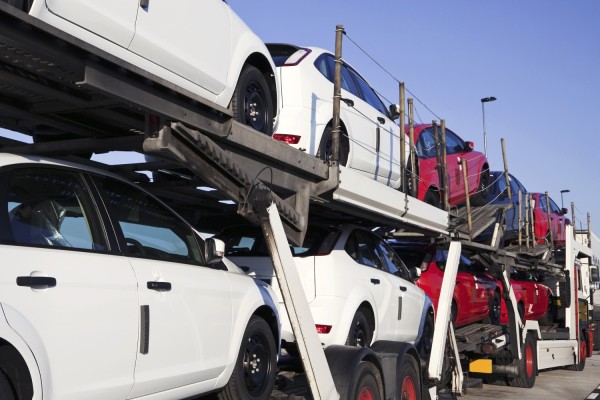
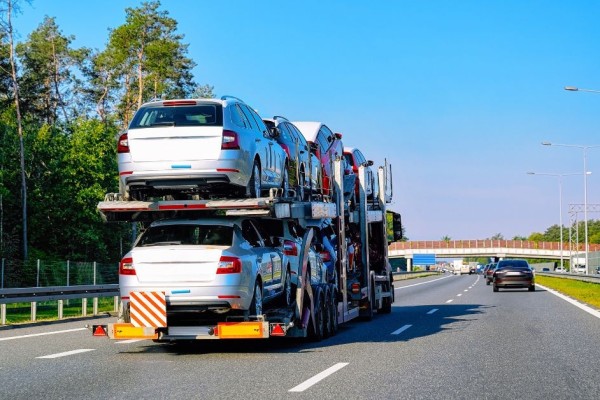
This is what most people mean by “car transport”: a carrier collects your vehicle and transports it on a trailer. Some trailers carry one car, while others carry multiple vehicles.
Benefits:
-
No extra kilometres on your car
-
Less exposure to road risk compared to someone driving it long distance
-
Convenient for long routes between major cities
Possible drawback: price can be higher than driving yourself — but often not by as much as people think once you compare full costs.
Door-to-door vs depot-to-depot: what’s the difference?

In the car transport industry, you’ll often hear vehicles can be moved door-to-door or depot-to-depot. Here’s what that actually means:
Depot-to-depot
The carrier uses set locations (depots) for loading and offloading vehicles. When you book depot-to-depot, you’ll need to:
Depots are typically positioned for convenience in major hubs — often near airports or central access routes — which makes drop-off and collection easier.
Benefits:
-
Usually more budget-friendly
-
Efficient and well-organised handovers
-
Great for major city routes
Drawbacks:
Door-to-door
The carrier collects your vehicle from your chosen address and delivers it to your destination address (or as close as possible, depending on access).
Benefits:
Drawback:
The simple way to choose
If you’re unsure, compare both options — on many popular routes in South Africa, the price difference is smaller than expected, and the right choice comes down to convenience versus cost.
Want to know what it could cost?
Choose car transport that suits your budget and schedule with Wise Move. Whether you prefer door-to-door convenience or can drop off and collect your vehicle at a depot, get a car transport quote for your route and vehicle type to check pricing and availability across South Africa.














![How Many Moving Boxes Do You Need [Quick Guide]](https://cdn.wisemove.co.za/image/blog/f402bbe3e47e09aa41a6d8370888b926.jpeg "How Many Moving Boxes Do You Need [Quick Guide]")