If you are experiencing domestic violence, you deserve support, respect and a place where you can feel safe. The abuse is not your fault, and you do not need to have everything figured out before asking for help.
Leaving an abusive home can involve difficult decisions about children, accommodation, money and belongings. This guide explains where to get support in South Africa, what to consider when planning to leave, and how Wise Move can help with the practical work of moving your possessions.
In immediate danger? Call the South African Police Service on 10111.
For support and guidance: Call the Gender-Based Violence Command Centre on 0800 428 428. The national service operates 24 hours a day, seven days a week.
Planning your next steps
Leaving can sometimes increase the risk of abuse. A specialist support worker can help you consider your options and develop a plan that reflects your circumstances. You do not have to follow these steps in a particular order, and your safety comes before collecting furniture or organising a move.
1. Speak to a domestic violence support service
A counsellor, social worker or shelter worker can help you think through where to go, how to get there and what support you or your children may need. You can ask for advice even if you are unsure whether you are ready to leave.
The organisations below offer different kinds of help, including counselling, shelter referrals and legal support. The National Shelter Movement can help you explore available shelter services.
2. Involve someone you trust
If there is a friend, relative or colleague you trust, consider asking for practical support. They may be able to keep essential documents, help with transport or be available when you need to talk. Agree how to communicate without sharing your plans more widely.
If you do not have someone you can safely turn to, a specialist organisation can help you work through your options.
3. Get advice about your legal options
Legal advice can help you understand protection orders, arrangements involving children and questions about your home or belongings. You can contact Legal Aid South Africa on 0800 110 110, Monday to Friday, 07:00–19:00, for free legal advice.
You can apply for a domestic violence protection order through a Magistrate’s Court. The application process is free, and the court may grant an interim order in urgent circumstances. Ask the clerk of the court or a legal adviser to explain the process and what it means for your situation.
A protection order sets legal restrictions on the abusive person’s behaviour, but a personal safety plan is still important. Read the Department of Justice’s guidance on protection orders for more information.
4. Prepare essentials when it is safe to do so
Consider which items you would need if you had to leave quickly: identification, children’s documents, medication, keys, money and a phone charger. Only gather or store these if doing so will not increase the risk to you. A support worker can help you plan around your circumstances.
5. Plan the movement of your belongings separately
Getting yourself and your children to a safer place may need to happen before any furniture is collected. Discuss the timing with your support worker, including whether collecting belongings could lead to confrontation.
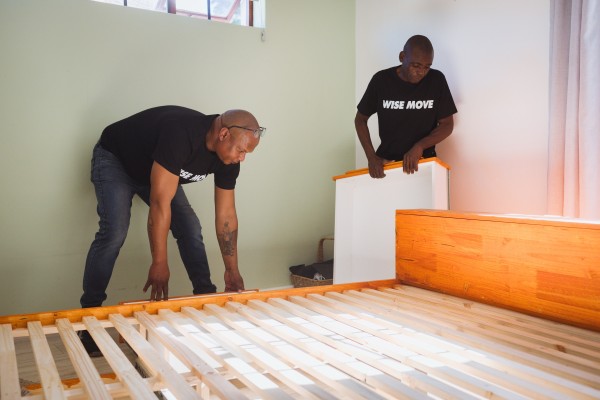
When a suitable plan is in place, Wise Move’s professional furniture movers can help with packing, lifting and transport, according to the services agreed for your booking. Read more about discussing a sensitive move with our team below.
Consider how you contact people
If someone may be monitoring your phone, email or online activity, consider using a device and account they cannot access. Private or incognito browsing does not make your activity invisible, and messages or booking notifications may still be seen.
A specialist support worker can help you assess digital risks, including shared accounts and location tracking. Discuss changes to settings or passwords if you are concerned they could alert the abusive person. The National Domestic Violence Hotline’s internet safety guide explains these risks in more detail; use the South African contacts in this article for local help.
Organisations supporting survivors of domestic violence
These services can help you understand what support is available. Shelter places and local services vary, so speak to the organisation about your needs. For an emergency, use an emergency phone number rather than waiting for an email response.
1. South African Police Service
Contact the South African Police Service if you need urgent police assistance. For non-emergency enquiries or to report abuse, contact your local police station.
Police emergency number: 10111
2. People Opposing Women Abuse (POWA)
POWA supports women experiencing abuse through counselling, legal assistance and shelter services. Contact its office to ask about the help available.
Head office: 011 591 6803
Email: info@powa.co.za
3. Childline South Africa
Childline South Africa offers counselling and support for children and adults concerned about a child. Its helpline is available around the clock and is free from all networks.
24-hour helpline: 116
4. Child Welfare South Africa
Local Child Welfare organisations provide child-protection and family-support services. If you are unsure which office serves your area, ask a social worker or Childline for a referral. Call 116 for child-protection support, or 10111 if a child is in immediate danger.
5. National Shelter Movement of South Africa
The National Shelter Movement helps survivors of domestic abuse access shelter services across South Africa. Its helpline can explain the options available for your circumstances and location.
24-hour toll-free shelter helpline: 0800 001 005
Email: infohelpline@nationalsm.org.za
6. TEARS Foundation
The TEARS Foundation provides support, information and referrals for people affected by abuse or sexual violence. Its helpline operates 24 hours a day, seven days a week.
Toll-free helpline: 08000 83277
Email: info@tears.co.za
7. The Trauma Centre
The Trauma Centre offers trauma counselling for adults and children in Cape Town. Contact the team during office hours to discuss support.
Office: 021 465 7373
Hours: Monday to Friday, 08:00–16:00
WhatsApp only: 066 307 2073
8. Thuthuzela Care Centres
Thuthuzela Care Centres offer coordinated support for survivors of sexual violence at hospitals and clinics across South Africa. Services bring together medical care, counselling and assistance with the criminal justice process. Use the National Prosecuting Authority’s centre directory to find contact details for a centre near you.
How Wise Move can help with your move
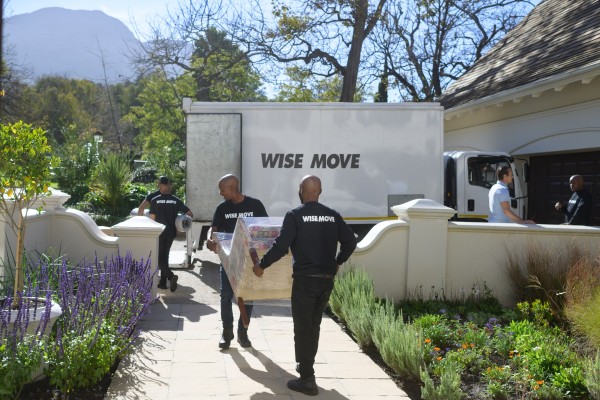
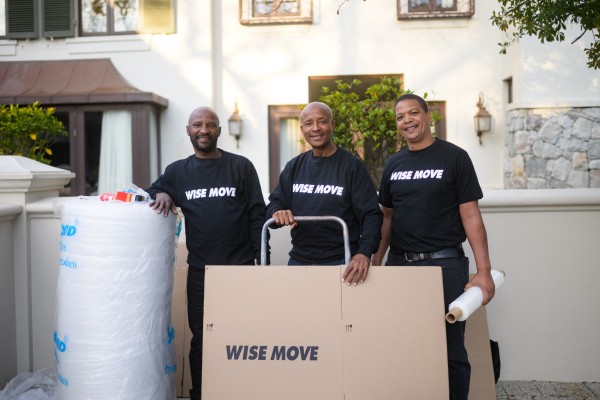
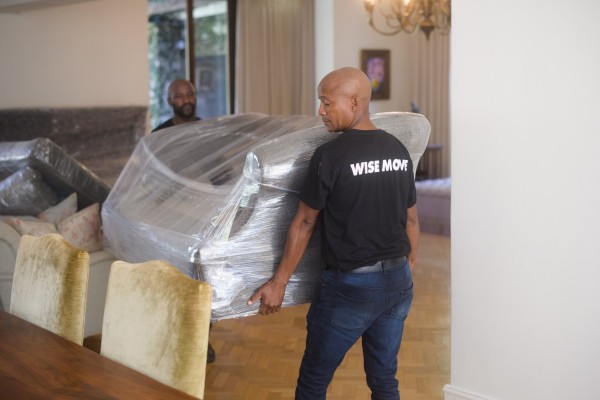
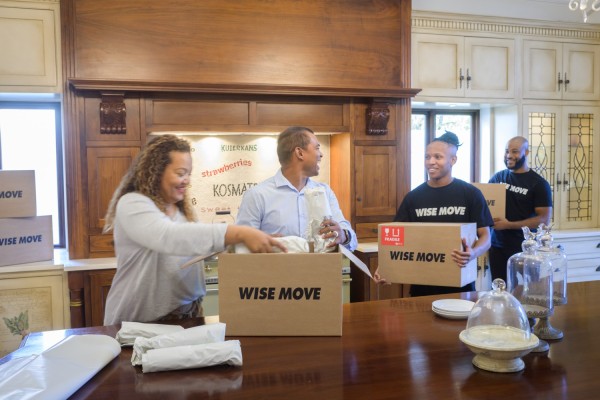
When you are ready to move your belongings, Wise Move offers professional moving services across South Africa. Our moving teams can help with the practical work of collecting, loading and transporting your possessions, with care for your belongings and sensitivity to your circumstances.
Before submitting a moving request, contact our support team to discuss any privacy or communication requirements. You only need to share the information necessary to explain what help you need. If you are moving to confidential accommodation, ask your support worker how the address and delivery instructions should be shared.
Before booking, discuss and confirm:
- Communication: Which contact method and times are appropriate, whether messages or voicemail can be left, and how booking notifications and reminders will be handled.
- Privacy: Who needs the collection and delivery details, and whether a trusted person or support worker will act as your contact.
- Timing and access: When belongings can be collected, who will be present and any instructions agreed with your support worker.
- Vehicle requirements: Whether an unmarked vehicle is needed and available for your booking.
- Services and cost: What needs moving, any packing or lifting help required, and the agreed price and inclusions.
Our moving teams provide practical moving assistance. If there is a risk of violence or confrontation, seek advice from a specialist support service or the police before arranging collection. A moving booking cannot guarantee personal safety.
If it is safe to email, contact support@wisemove.co.za and tell us how and when you can be contacted. A charity, shelter or support worker can also contact us with your permission. You can find our contact details on the Wise Move contact page.
You deserve help at a pace that respects your circumstances. If you are in immediate danger, call 10111 rather than waiting for a response about moving services.











![How Many Moving Boxes Do You Need [Quick Guide]](https://cdn.wisemove.co.za/image/blog/f402bbe3e47e09aa41a6d8370888b926.jpeg "How Many Moving Boxes Do You Need [Quick Guide]")