Cape Town is known as the capital of short-term rentals in South Africa, with more than 33,000 Airbnb listings alone. With potential returns of 10-15% per year, it’s easy to see why temporary accommodation continues to attract local and international property owners alike.
That said, a successful short-term rental rarely happens overnight. It takes planning, investment, and consistent management to turn a property into a booked-out bestseller. Like climbing Table Mountain, the journey to the top can be gruelling, but if you just put one foot in front of the other, the view will be worth it.
Whether you’re testing the waters or gearing up for a summer launch, this guide walks you through the full process. From understanding local regulations to preparing your property for guests, here’s everything you need to know about setting up a short-term rental in Cape Town.
Types of short-term rentals
Short-term rentals come in all shapes and sizes. The right option depends on your budget, lifestyle, and how involved you want to be.
1. Spare room
If you have a spare room and enjoy the extra company, this is the easiest way to start. It runs kind of like a bed and breakfast, where you’ll share common areas, like the kitchen, living area, and dining room. It’s usually more budget-friendly and easier to manage because you’re on-site.
2. Accessory unit dwellings (ADUs)
This is just a fancy term for a granny flat or garden cottage. It’s a separate, self-catering unit on your property, typically with its own living area, kitchenette, and private entrance.
3. Entire home or apartment
This is the most common form of short-term rental. You rent out the entire property to the guests, whether it’s a studio apartment in Sea Point or a family house in the Southern Suburbs. It can earn more per night, but it also takes more work because you’re managing everything.
12 steps to set up your short-term rental in Cape Town
1. Secure the property
 If you’re buying with short-term rentals in mind, focus on the things guests in Cape Town actually filter for:
- Location: Close to malls, restaurants, beaches, public transport, or popular tourist spots, and safe walking areas.
- Parking: A big selling point, especially in the City Bowl and Atlantic Seaboard.
- Reliable Wi-Fi: Check fibre availability to appeal to digital nomads.
- Security: Access control, 24/7 security, or secure parking puts guests at ease, especially foreigners.
- High-quality, low-maintenance: Properties that look good but don’t require constant upkeep are ideal.
Tip: Instead of starting from scratch, you can take over a previous short-term rental. This comes with all its previous bookings, ratings, and systems.
2. Check laws and tax regulations
While Cape Town is a strong market for short-term rentals, it’s not without rules. Make sure you understand the following:
- Body corporate/HOA rules: Many sectional title buildings restrict or ban short-term letting, even if the city allows it.
- Title deed restrictions: Some properties have conditions that limit short-term rentals.
- Municipal by-laws and zoning: Cape Town has rules around short-term stays, including guidance around 30 consecutive days without additional permissions for longer periods.
- Income tax: Short-term rental income is taxable and must be declared to SARS.
- VAT: If your short-term rental income exceeds R1 million a year, VAT registration may be required.
Note: The local government is working on new laws and regulations for short-term rentals in Cape Town, so keep an eye out for any changes that could impact your rental.
3. Set up your property nicely
 Repurposing your property
If you’re converting part of your home or a second property:
- Declutter and deep clean
- Fix the small stuff (dripping taps, stiff locks, chipped paint)
- Upgrade the basics (lighting, towels, bedding)
Tip: Read our decluttering guide to help you get rid of items to clear the space for your guests.
Decorating for short-term rentals
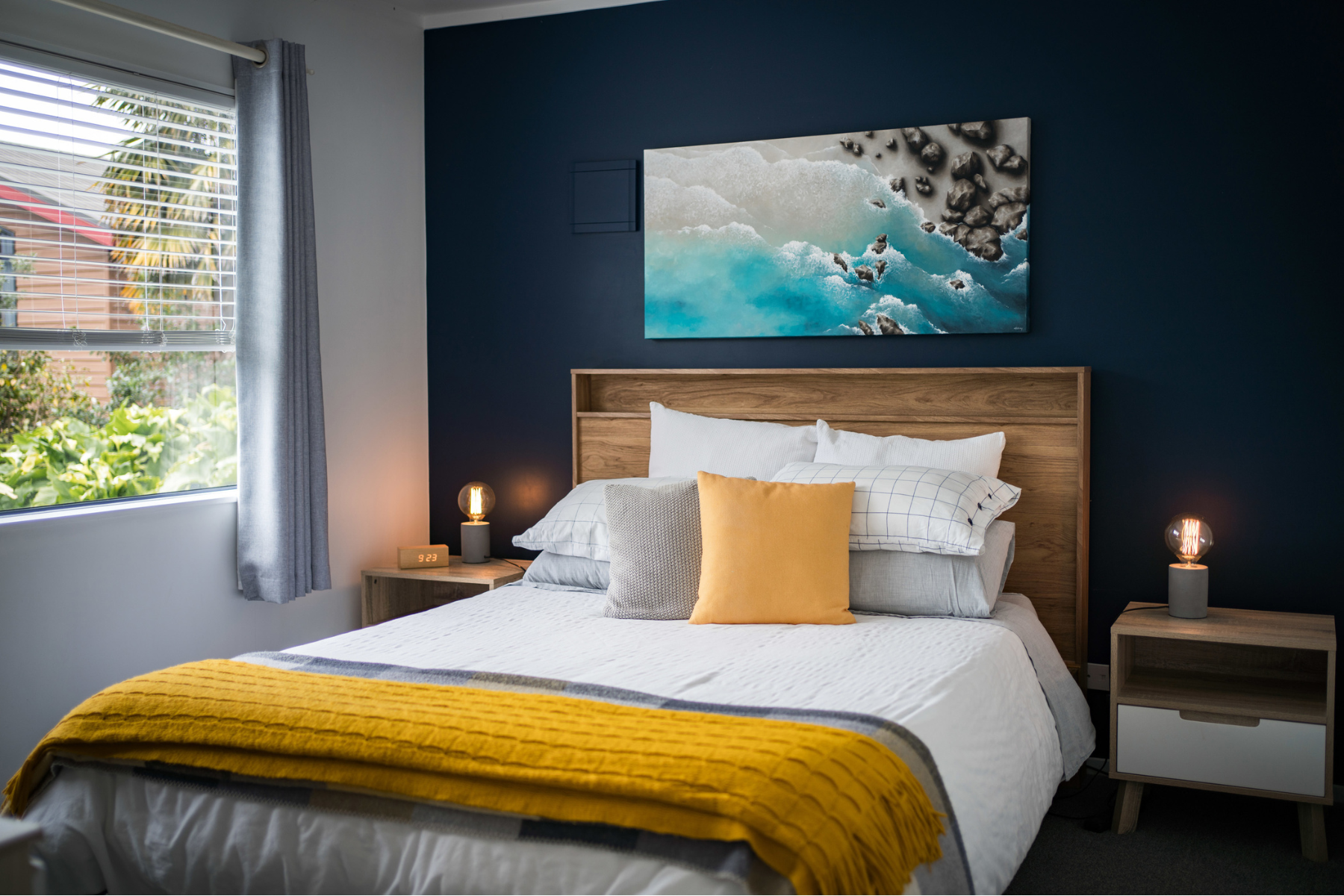
A well-decorated property makes a huge difference. It photographs better, feels more inviting, and helps guests feel comfortable. Keep these interior design tips in mind:
- Keep it simple and uncluttered.
- Choose a consistent style, such as a beach-inspired theme if you’re near the ocean.
- Add subtle local touches, like Cape Town art, local pottery, or indigenous plants.
- Prioritise comfort over aesthetics (guests remember comfort).
Moving in the furniture
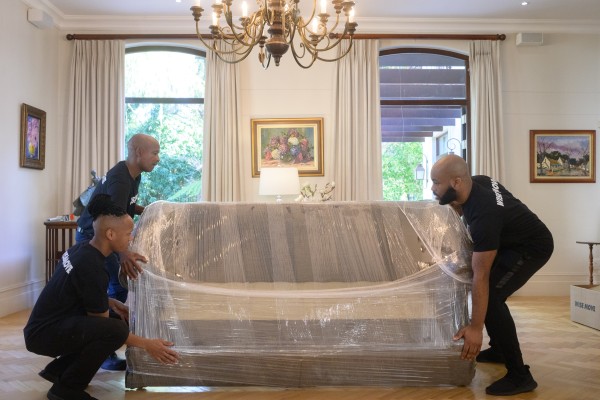
 Whether you’re moving items across town, buying second-hand pieces, or furnishing from scratch, plan this early, especially before summer. Movers and delivery slots fill up quickly when everyone is relocating and renovating for peak season.
Wise Move makes moving simple, affordable, and stress-free. Our Cape Town moving service handles the heavy lifting, so you can focus on sorting everything else out.
4. Decide on your rental terms
Set up your short-term rental to work for your lifestyle and income goals.
Rental price
One of the main advantages of short-term rentals is higher nightly rates. To price your property competitively, research similar listings in your area and factor in location, size, and amenities.
Tip: Consider dynamic pricing to maximise your earnings by adjusting rates in real-time based on market demand, seasonality, local events, and competitor pricing.
Rental period
You can choose between:
- Year-round short-term renting
- Rent short-term in peak season (Dec-Mar) and long-term over winter (Apr-Nov)
Adjusting your rental type for each season allows you to capitalise on peak season but also bring in a stable income in quieter months.
Minimum stay
- Short minimum stay (1-2 nights): Attract more bookings but manage more frequent turnovers.
- Longer minimum stay (1-2 weeks): Fewer bookings to manage, but may also require different arrangements, such as a regular cleaner.
Tip: Adjust minimum stays to fill gaps in your calendar during slower periods.
Cancellation policy
Here are some options to consider when deciding on your cancellation policy:
- Free cancellation up to a set date before arrival.
- Partial or non-refundable bookings after that date.
Security deposit
A refundable security deposit can protect you, especially for longer stays or higher-value homes. Make the terms clear on your listing.
Tip: Many international guests prefer card-based or platform-handled deposits rather than large cash deposits.
5. Choose your online platforms
Each booking platform has its own advantages, challenges, and commission percentage:
- Booking.com: A global platform, attracting both international and local travellers.
- Airbnb: Known for its strong review system and high demand for well-presented homes (but also known for being tricky to use sometimes as a host).
- Lekkeslaap: A South African platform popular for local travellers, especially during school holidays.
- VRBO: Best for entire homes and longer stays, often families or group trips.
Focusing on one platform can be easier to manage and avoid double bookings. But you can also expand your reach by spreading across different platforms.
Tip: You can use a channel management tool, like NightsBridge, to manage your bookings across platforms.
6. Set up profiles on online booking platforms
 Your listing is your shop window, and first impressions matter. Here’s how to create a banging profile that will attract bookings:
- Listing title: Use an SEO-optimised title, e.g., location + standout feature + guest type
- Photos: Invest in professional, well-lit images that showcase the entire space.
- Description: Write a clear, scannable description highlighting the space, location, and key features.
- Amenities: List everything accurately and thoroughly.
- Rules and fees: Be transparent about any extra fees, cancellation policies, house rules, and security deposits.
- Accessibility: Clearly mention stairs, lifts, steep driveways, roll-in showers, etc.
7. Obtain special insurance
Your standard home insurance may not cover short-term rentals, because they may be considered commercial use. It also involves a higher risk of items being damaged or stolen.
Look for insurance policies that cover:
- Guest liability
- Accidental damage cover
- Theft and malicious damage
8. Decide who’s going to manage it
Short-term rentals are hands-on. Management includes:
- Receiving bookings
- Messaging guests before and during their stay
- Handling the check-in and check-out
- Organising cleaning and restocking of supplies
- Responding to issues quickly
You can either choose to manage it yourself or hire a property manager. Here’s a breakdown of the two options to help you decide which is best for you:
|
DIY
|
Property manager
|
|
A substantial amount of work
|
No work required
|
|
More affordable
|
Usually charges 15-25% per booking
|
|
Need to be available at odd times for check-ins and outs
|
Peace of mind that everything is taken care of
|
|
Can have a more personal touch
|
Uses their expertise to create a seamless experience for the guests
|
|
Much more hands-on
|
Don’t need to be located nearby
|
9. Get your property guest-ready
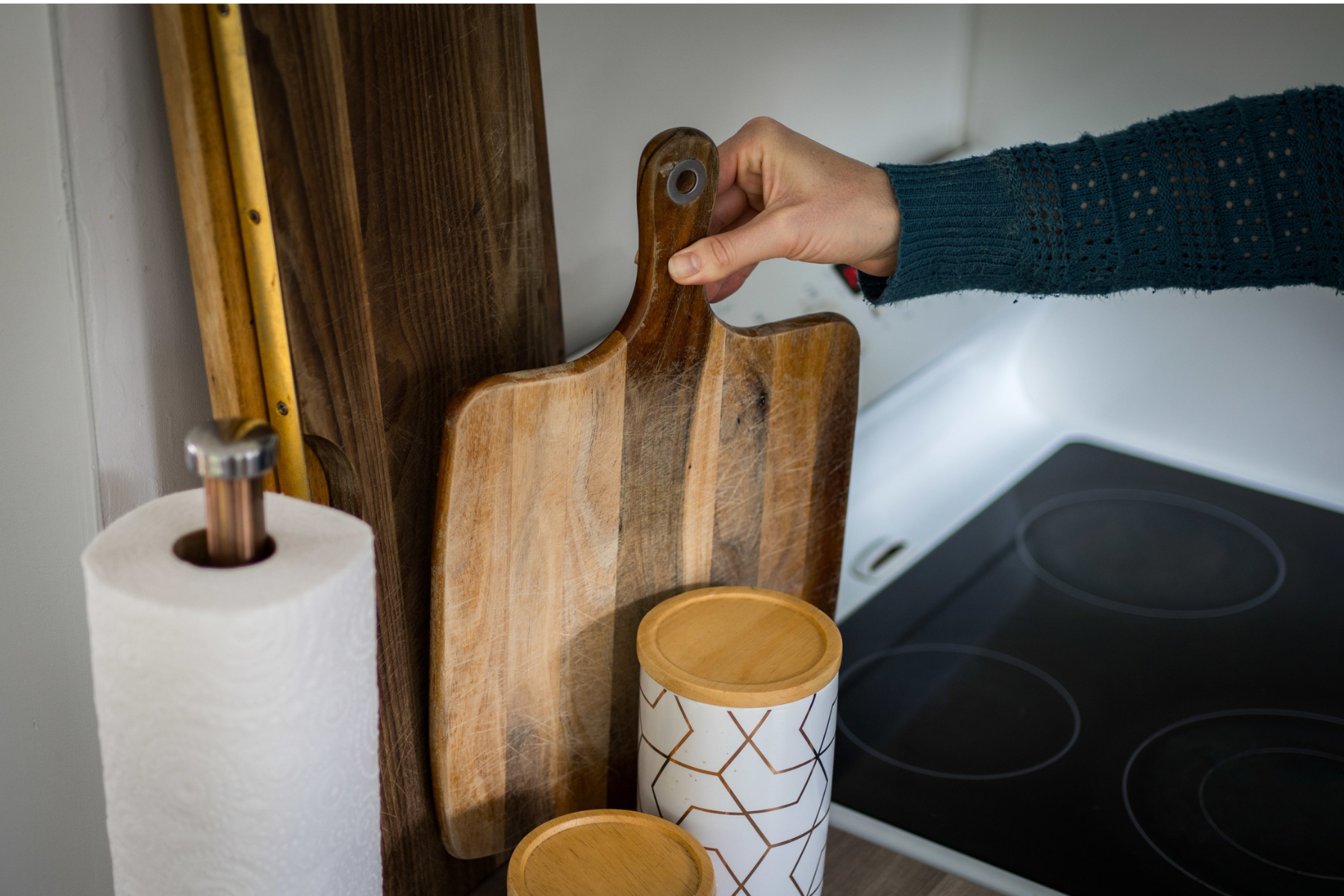
 Small details have a big impact on guest reviews. Here’s what you need to get your property ready for guests.
Utilities
- Fast Wi-Fi and internet
- UPS or an inverter in case of a power outage or loadshedding (even though we haven’t had to worry about this for a while… knock on wood).
Access and security
- Guest keys and lock-box (for self check-in)
- Access to the alarm with instructions
Food and drinks
- Coffee and tea (rooibos for local flavour)
- Rusks or biscuits
- Milk
- Salt and pepper
- Cooking oil
- Wine (goes a long way if you can afford it)
Cleaning and toiletry supplies
- Toilet paper
- Bin bags
- Dish soap
- Basic cleaning products (especially for longer stays)
- Hand soap
- Shampoo and conditioner
Comfort and hospitality
- High-quality linen (with spares)
- Bath towels (and beach towels if you’re near the beach)
- Extra blankets
- Fan/aircon for summer
- Electric blanket/heater for winter
Guestbook
- Wi-Fi name and password
- Emergency numbers
- House rules
- Nearby restaurants and amenities
Tip: Build a relationship with a reliable cleaning team that can handle quick turnarounds.
10. Plan guest check-in and check-out procedures
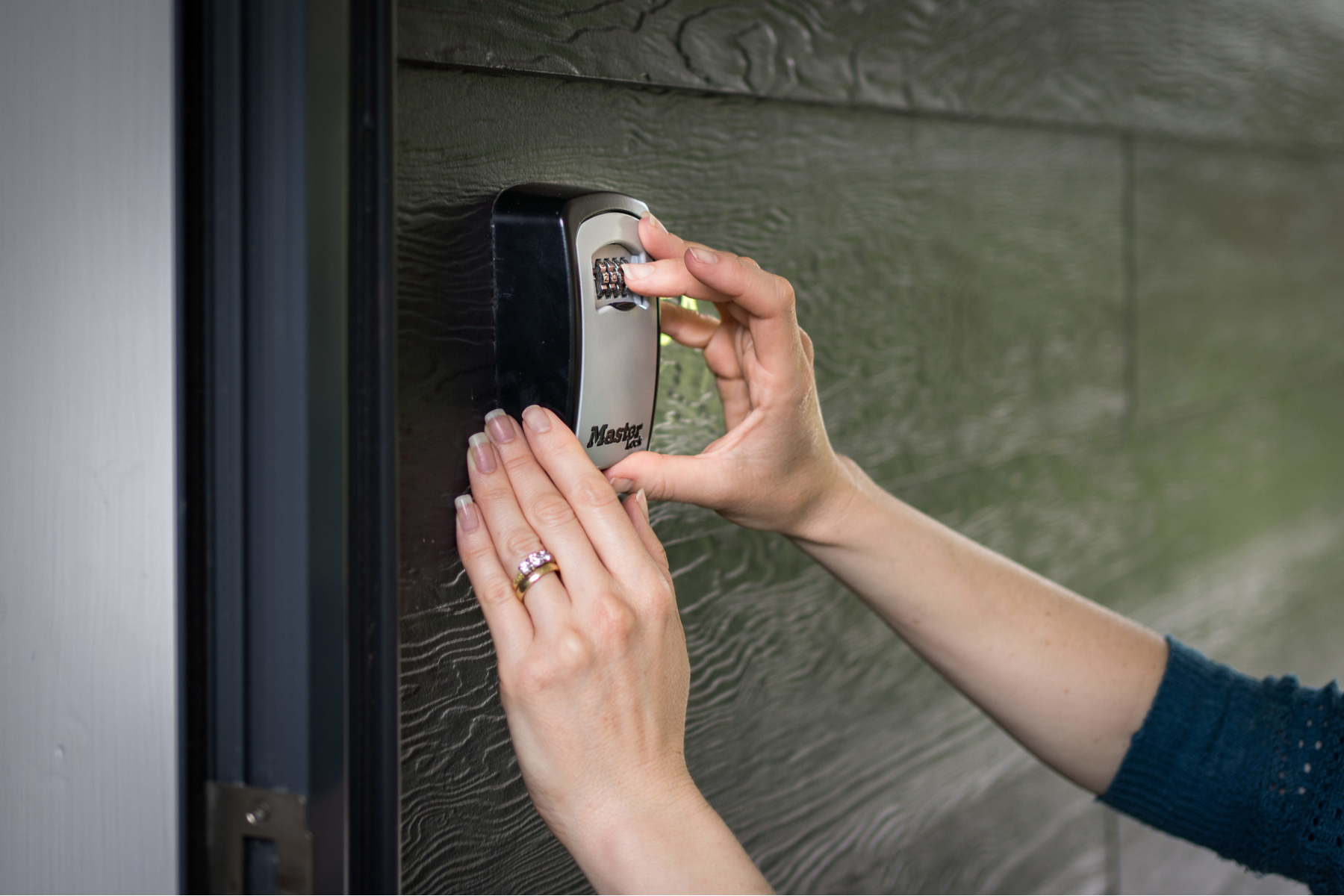
 You want check-in to be simple and check-out to be drama-free. You have two options:
- Self check-in/check-out: Guest gets the keys from a lockbox on the property when they arrive and puts them back when they leave, without interacting with a person.
- In-person check-in/check-out: You (or the property manager) meet the guest to hand over the keys when they arrive and take the keys when they leave.
Often, it’s best to do the check-in and check-out in person. It allows you to meet the guest, show them around, explain the property, and get the security deposit. You can also inspect the property at check-out to make sure nothing is broken or missing.
11. Get your documentation in order
Keep detailed records of all rental income, expenses, and guest agreements. Proper documentation helps with tax reporting but also provides a legal record in case of disputes with guests or authorities.
Tip: Open a separate bank account for the property so that you can clearly show the income and expenses if required.
12. Encourage guests to rate and review you
A property’s rating and reviews are the main factors for people when choosing where to stay. A friendly reminder to leave a review makes a big difference:
- Put a QR code in the guestbook, asking your guests for feedback.
- Politely remind guests at check-out, especially if they’ve had a good stay.
- Send a friendly follow-up message after departure.
Book the best moving team to help set up your short-term rental

Setting up a short-term rental can feel like a lot, especially before Cape Town’s summer rush. The easiest way to stay on track is to tackle it step by step. It also helps to have trusted partners along the way.
Using Wise Move to book a trusted moving team will save you valuable time and energy. Speeding up the moving process and getting the property ready sooner means that you can start earning the big bucks faster.





 If you’re buying with short-term rentals in mind, focus on the things guests in Cape Town actually filter for:
 Repurposing your property
 Whether you’re moving items across town,
  Your listing is your shop window, and first impressions matter. Here’s how to create a banging profile that will attract bookings:
 Small details have a big impact on guest reviews. Here’s what you need to get your property ready for guests.
 You want check-in to be simple and check-out to be drama-free. You have two options: